
Real-Time Weld
Quality Control
Detect. Correct. Continue.
AI is transforming how the world builds, maintains, and inspects its most critical welded infrastructure for a more reliable and cost-effective future.
Sonibel Instruments works with welders and CWIs. We cannot replace either.
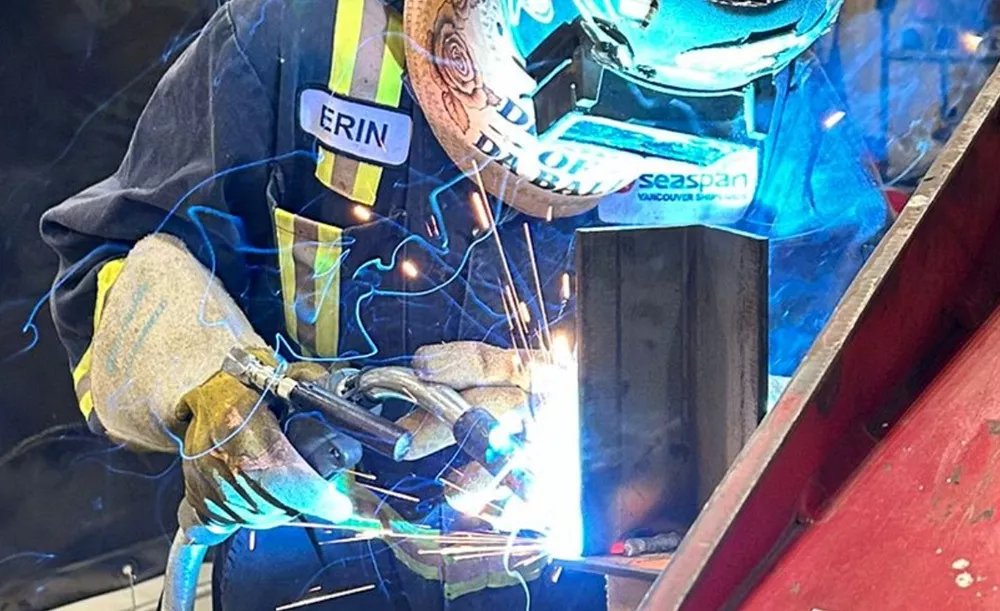
Sonibel Instruments uses a compact, torch-mounted sensor to capture the acoustic signature of the weld arc. We combine that data with the predictive power of AI to detect defects in real time, giving welders the information they need to rework defects on the spot. Sonibel Instruments does not replace NDT. Instead, it recovers the time and cost associated with rework and re-inspection cycles to increase production output.
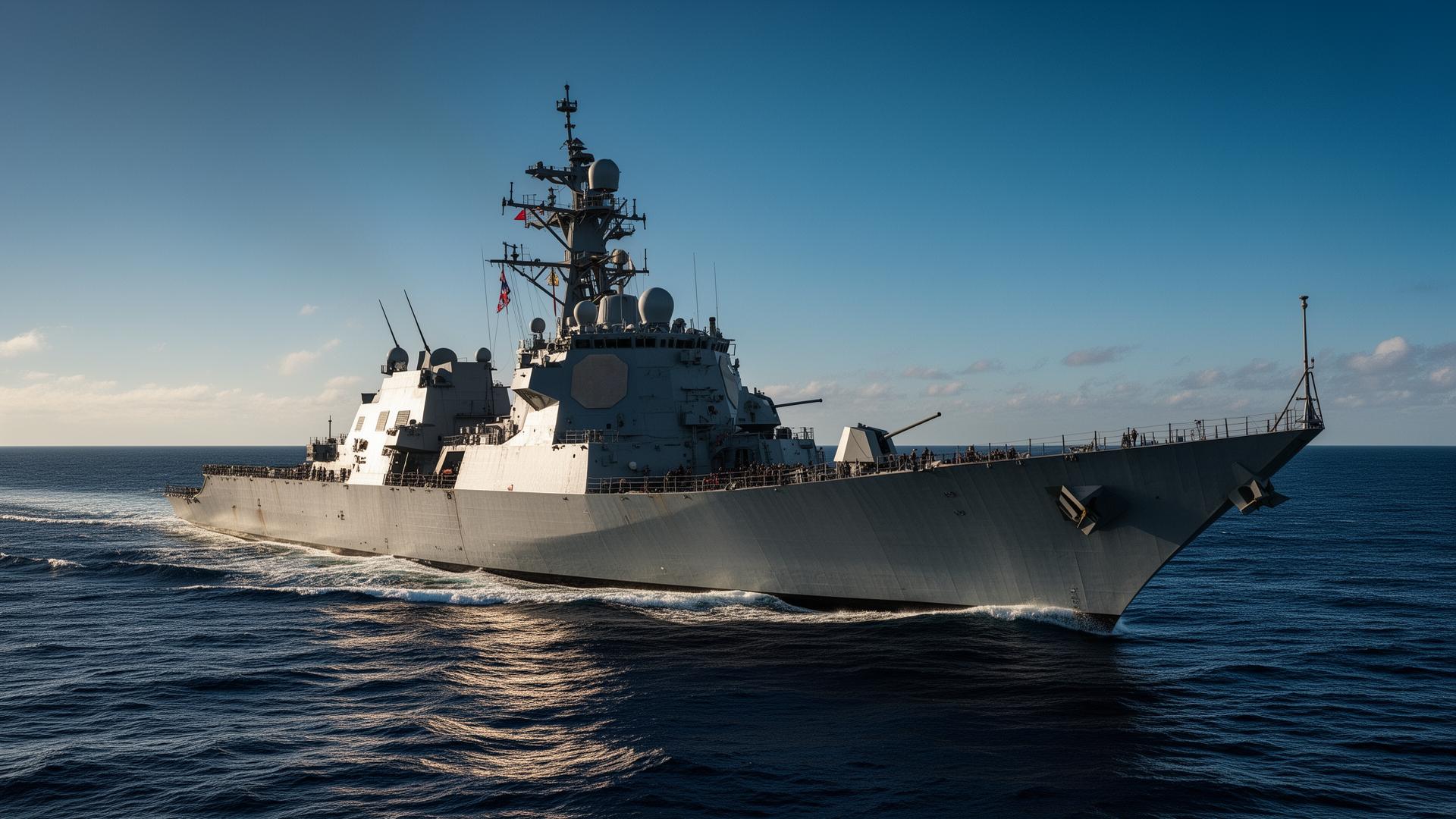
Shipbuilding

Structural Steel

Oil & Gas
Our Technology
Turn Insights into Impact
Sonibel Instruments' torch-mounted acoustic sensor, powered by AI, empowers teams to achieve weld quality excellence through real-time defect detection for immediate correction.
Reduce rework. Minimize delays. Cut costs.
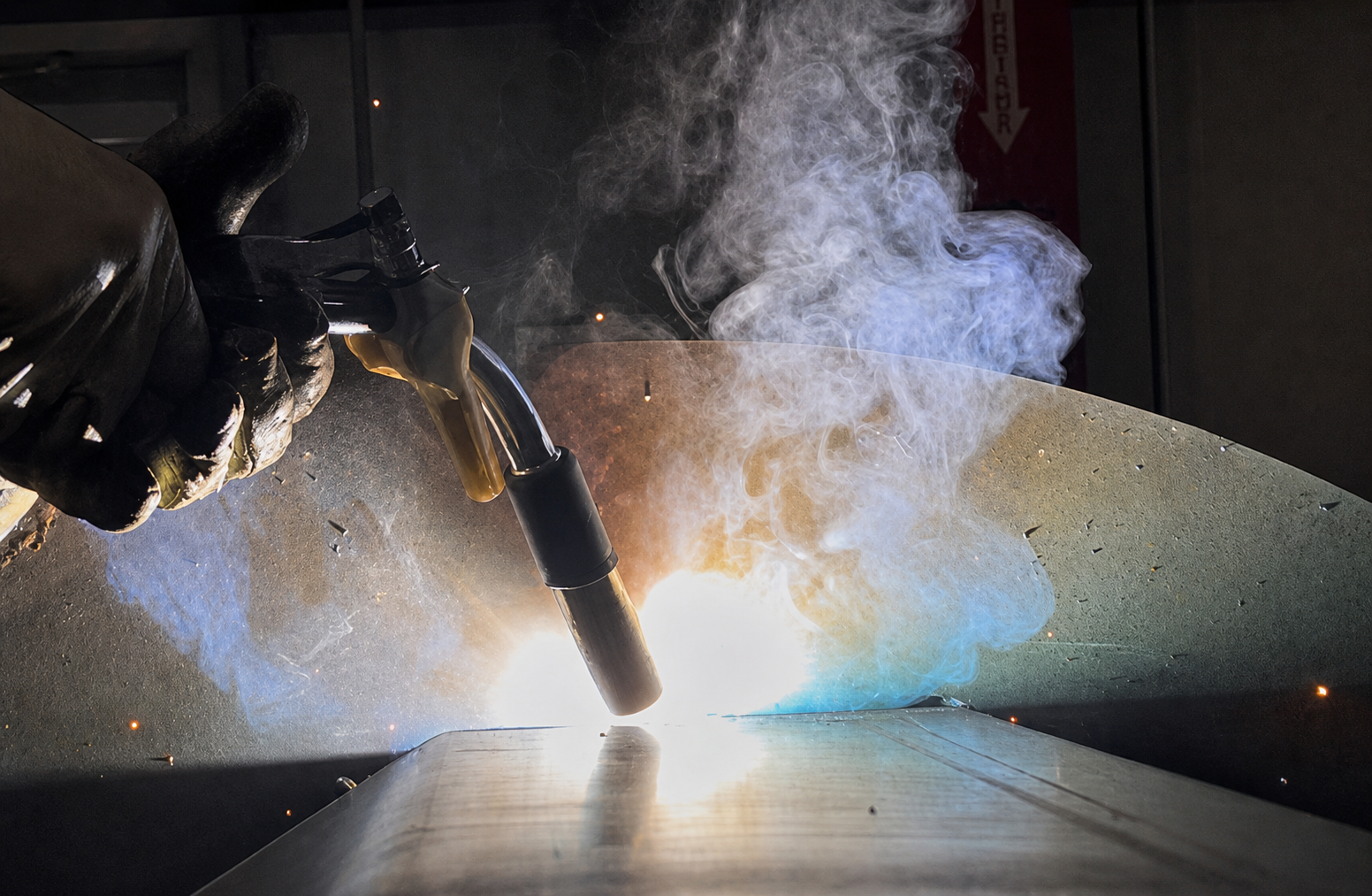
How It Works
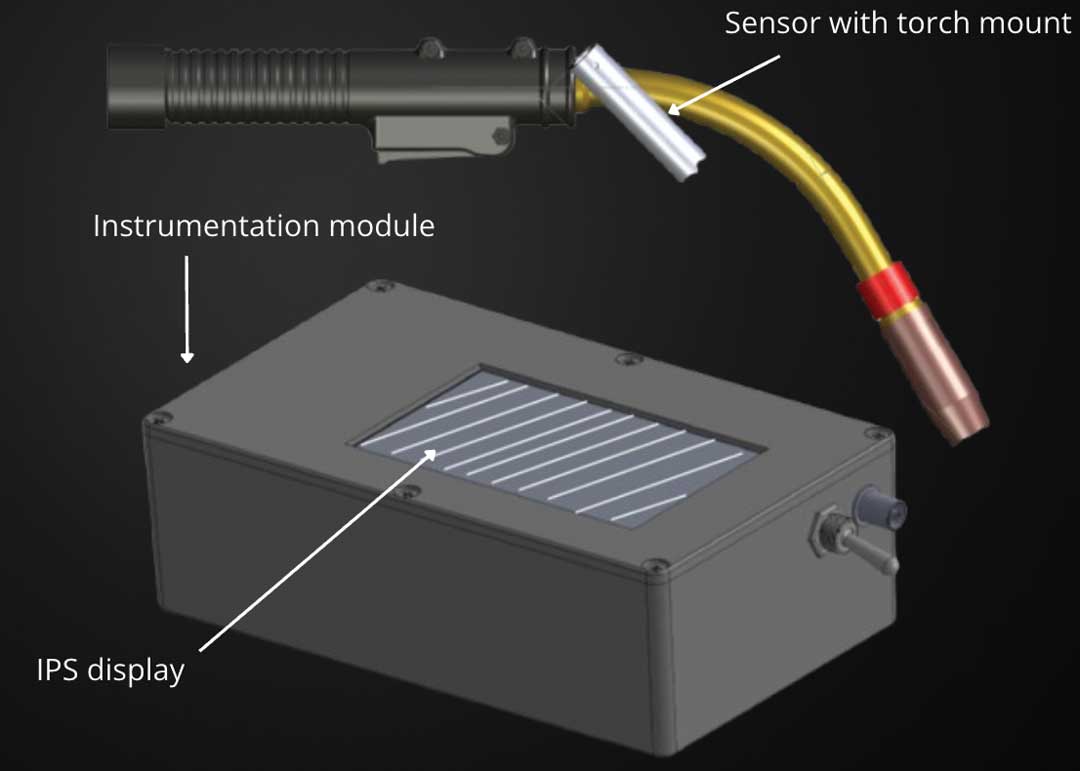
A compact, rugged acoustic sensor attaches directly to the torch mount with no workflow changes and no extra steps. It listens to the weld arc frequency and uses AI to detect defects as they happen.
Acoustic Capture
A small, rugged sensor clamps onto the torch mount and captures the acoustic signature of the weld arc in real time, even in high-noise shop environments.
AI Analysis
Our machine learning model analyzes the acoustic data to detect porosity, lack of penetration, lack of fusion, and slag inclusions as they occur. Optimized for FCAW semi-automatic processes.
Instant Alert
When a defect is detected, the welder is notified immediately through a small light inside their helmet. A screen on the instrumentation module, placed near the welding unit, displays the full bead with defect locations marked.
Built for the Fab Floor
Sonibel Instruments is not a replacement for NDT. It is an early warning layer that sits between the welder and the inspection queue. By flagging defects during welding, welders can rework porosity, lack of penetration, lack of fusion, and slag inclusions before the bead cools, reducing the volume of repairs discovered downstream.
The result is fewer rework cycles, shorter inspection queues, and less schedule disruption. For fabricators running FCAW on structural and heavy plate, that translates directly into recovered hours and reduced project cost.
Proven Impact
Results from catching defects during welding instead of after inspection.
30% total cost reduction on a $1.8M bridge repair project
Fewer repairs by catching defects during welding
On a year-long timeline through reduced inspection delays
The most effective point to catch defects is during welding itself, before the weld reaches inspection.
The Latest
ASSEMBLY Magazine
Real-Time System Detects Weld Defects During Production

LA Weekly
How Sophia Millar Is Bringing Real-Time AI to Heavy Manufacturing
ASNT
Startup Raises to Bring Real-Time AI to Weld Quality

American Welding Society
Compact Torch-Mounted Sensor Delivers Instant Weld Defect Detection
The Fabricator
Using Acoustic Sensing and AI to Detect Welding Defects
%20--%3e%3csvg%20version='1.1'%20id='Layer_3_copy'%20xmlns='http://www.w3.org/2000/svg'%20xmlns:xlink='http://www.w3.org/1999/xlink'%20x='0px'%20y='0px'%20viewBox='0%200%20102.3%20102.3'%20style='enable-background:new%200%200%20102.3%20102.3;'%20xml:space='preserve'%3e%3cstyle%20type='text/css'%3e%20.st0{fill:%23FFFFFF;}%20.st1{fill:%230366A5;}%20%3c/style%3e%3cg%3e%3cpath%20class='st0'%20d='M60.9,7.3c-0.4-0.4-9.8-9.5-19.4,0L7.3,41.5c-0.4,0.4-9.5,9.8,0,19.4l34.2,34.2c0.4,0.4,9.8,9.5,19.4,0%20l34.2-34.2c0.4-0.4,9.5-9.8,0-19.4L60.9,7.3z%20M51.1,84.2c-17.9,0-32.4-14.5-32.4-32.4c0-17.9,14.5-32.4,32.4-32.4%20c17.9,0,32.4,14.5,32.4,32.4C83.5,69.7,69,84.2,51.1,84.2z'/%3e%3cpath%20class='st1'%20d='M70.2,44.9l-0.9,4.4h2.9c1.3,0,2.2-0.1,2.8-0.3c0.6-0.2,1-0.5,1.3-0.9c0.3-0.4,0.4-0.9,0.4-1.3%20c0-0.5-0.1-0.9-0.4-1.2c-0.3-0.3-0.6-0.5-1.1-0.6c-0.3,0-0.9-0.1-2-0.1H70.2z'/%3e%3cpath%20class='st1'%20d='M73.1,52.5h-4.5l-1,4.8h3.7c1.5,0,2.6-0.1,3.1-0.3c0.5-0.2,0.9-0.5,1.3-1c0.3-0.5,0.5-0.9,0.5-1.4%20c0-0.6-0.2-1.1-0.7-1.5C75,52.7,74.2,52.5,73.1,52.5z'/%3e%3cpath%20class='st1'%20d='M51.1,19.3c-17.9,0-32.4,14.5-32.4,32.4c0,17.9,14.5,32.4,32.4,32.4c17.9,0,32.4-14.5,32.4-32.4%20C83.5,33.9,69,19.3,51.1,19.3z%20M23.7,58.6c-0.7-0.8-1.2-1.7-1.5-2.9c-0.2-0.9-0.4-1.9-0.4-3c0-2.1,0.4-4,1.3-5.7%20c0.9-1.7,2-3.1,3.5-4c1.5-0.9,3.1-1.4,4.9-1.4c2,0,3.6,0.5,4.8,1.6c1.2,1.1,2,2.5,2.2,4.4l-3.6,0.4c-0.2-1.1-0.6-1.8-1.2-2.3%20c-0.6-0.5-1.3-0.7-2.3-0.7c-1,0-2,0.3-2.9,1c-0.9,0.6-1.6,1.6-2.2,3c-0.5,1.4-0.8,2.7-0.8,4c0,1.5,0.4,2.6,1.1,3.4%20c0.7,0.8,1.6,1.2,2.6,1.2c1,0,1.9-0.3,2.7-1c0.8-0.6,1.4-1.6,1.8-2.8l3.8,0.6c-0.7,2.1-1.9,3.6-3.4,4.7c-1.5,1.1-3.2,1.6-5.2,1.6%20c-1.4,0-2.6-0.3-3.6-0.8C24.7,59.5,24.2,59.1,23.7,58.6z%20M56.5,60.3h-3.8l0-0.9l-0.4-12.6l-6.7,13.5h-3.9l-0.7-18.4h3.7l0.2,12.9%20l6.3-12.9h4.1l0.4,12.7l6.1-12.7h3.7l-5.6,11.5L56.5,60.3z%20M79,57.5c-0.6,1-1.5,1.7-2.6,2.1c-1.1,0.4-2.6,0.7-4.5,0.7h-8.7%20l3.9-18.4h6.3c1.4,0,2.3,0,2.9,0.1c0.9,0.1,1.7,0.4,2.3,0.8c0.6,0.4,1.1,0.9,1.4,1.5c0.3,0.6,0.5,1.3,0.5,2.1c0,1-0.3,1.9-0.9,2.7%20c-0.6,0.7-1.4,1.3-2.6,1.7c0.9,0.3,1.7,0.7,2.2,1.4c0.5,0.7,0.8,1.4,0.8,2.3C80,55.4,79.6,56.5,79,57.5z'/%3e%3cpath%20class='st1'%20d='M97.1,39.4L62.9,5.2C62.8,5.1,51-6.4,39.4,5.2L5.2,39.4c-0.1,0.1-2.9,3-4.4,7.3c-1.4,4.1-1.7,10.2,4.4,16.2%20l34.2,34.2c0.1,0.1,5.3,5.2,12.2,5.2c3.5,0,7.4-1.3,11.3-5.2l34.2-34.2c0.1-0.1,2.9-3,4.4-7.3C102.9,51.6,103.2,45.5,97.1,39.4z%20M41.5,95.1L7.3,60.9c-9.5-9.5-0.4-19,0-19.4L41.5,7.3c9.5-9.5,19-0.4,19.4,0l34.2,34.2c9.5,9.5,0.4,19,0,19.4L60.9,95.1%20C51.3,104.6,41.9,95.5,41.5,95.1z'/%3e%3cpath%20class='st0'%20d='M31.9,56.5c-0.8,0.6-1.7,1-2.7,1c-1.1,0-1.9-0.4-2.6-1.2c-0.7-0.8-1.1-1.9-1.1-3.4c0-1.3,0.3-2.7,0.8-4%20c0.5-1.4,1.3-2.3,2.2-3c0.9-0.6,1.9-1,2.9-1c1,0,1.7,0.2,2.3,0.7c0.6,0.5,1,1.3,1.2,2.3l3.6-0.4c-0.2-1.8-0.9-3.3-2.2-4.4%20c-1.2-1.1-2.8-1.6-4.8-1.6c-1.8,0-3.4,0.5-4.9,1.4c-1.5,0.9-2.7,2.2-3.5,4c-0.8,1.7-1.3,3.7-1.3,5.7c0,1.1,0.1,2.1,0.4,3%20c0.3,1.2,0.8,2.1,1.5,2.9c0.5,0.5,1,0.9,1.6,1.2c1,0.5,2.2,0.8,3.6,0.8c2,0,3.7-0.5,5.2-1.6c1.5-1.1,2.6-2.7,3.4-4.7l-3.8-0.6%20C33.3,54.9,32.7,55.8,31.9,56.5z'/%3e%3cpolygon%20class='st0'%20points='61.7,41.9%2055.6,54.6%2055.2,41.9%2051.1,41.9%2044.8,54.8%2044.6,41.9%2040.9,41.9%2041.6,60.3%2045.5,60.3%2052.2,46.8%2052.6,59.4%2052.6,60.3%2056.5,60.3%2059.8,53.4%2065.4,41.9%20'/%3e%3cpath%20class='st0'%20d='M67.1,41.9l-3.9,18.4h8.7c1.9,0,3.4-0.2,4.5-0.7c1.1-0.4,2-1.2,2.6-2.1c0.6-1,0.9-2,0.9-3.1%20c0-0.8-0.3-1.6-0.8-2.3c-0.5-0.7-1.3-1.1-2.2-1.4c1.2-0.4,2.1-1,2.6-1.7c0.6-0.8,0.9-1.6,0.9-2.7c0-0.8-0.2-1.5-0.5-2.1%20c-0.3-0.6-0.8-1.1-1.4-1.5c-0.6-0.4-1.4-0.6-2.3-0.8c-0.5-0.1-1.5-0.1-2.9-0.1H67.1z%20M75.6,56c-0.3,0.5-0.7,0.8-1.3,1%20c-0.5,0.2-1.5,0.3-3.1,0.3h-3.7l1-4.8h4.5c1.1,0,1.8,0.2,2.3,0.6c0.5,0.4,0.7,0.9,0.7,1.5C76.1,55.1,75.9,55.6,75.6,56z%20M76.3,45.6%20c0.3,0.3,0.4,0.7,0.4,1.2c0,0.5-0.1,0.9-0.4,1.3C76,48.5,75.5,48.8,75,49c-0.6,0.2-1.5,0.3-2.8,0.3h-2.9l0.9-4.4h2.9%20c1.1,0,1.7,0,2,0.1C75.6,45.1,76,45.3,76.3,45.6z'/%3e%3c/g%3e%3c/svg%3e)
CWB Group
Sonibel Instruments: A Real-Time Solution for Weld Errors
MFG News
Sonibel Instruments Launches a Real-Time Solution for Weld Defects

Canadian Metalworking
Torch-Mounted Sensor Detects Weld Defects in Real Time

BetaKit
How Sonibel Can Hear When a Welder Makes a Mistake
Metrology News
Sonibel Instruments Secures Funding to Advance AI-Driven Real-Time Weld Quality Control

India Automation Hub
This Startup Wants to Catch Bad Welds in Real Time Before the Bead Even Cools
Canadian Metalworking
Sonibel Instruments Secures Pre-Seed Funding

Machine Tool News
Real-Time Weld Defect Detection: Inside Sonibel Instruments' New AI Technology

Techcouver
UBC Sonibel: AI-Powered Quality Control to Welding

FinSMEs
Sonibel Instruments Raises $1.6M in Pre-Seed Funding
Meet the Founders
Inspired by firsthand shipyard experience seeing the costly impact of weld repairs in fabrication.

Sophia Millar
Chief Executive Officer

George Hollo
Chief Technical Officer

Hooman Pirouz
Chief Product Officer
The Sonibel Instruments Story
Hooman, our Chief Product Officer, worked at a shipyard as a Reliability Engineer, where he saw firsthand the costly ripple effects of weld defects on production schedules, inspection queues, and downstream trades. Sophia, George, and Hooman then met at the University of British Columbia and before development, interviewed hundreds of welders, project managers, QC teams, production managers, and fabricators to understand the true impact of weld repairs. The feedback was clear: the downtime associated with weld repairs affects downstream work far more than most realize.
We collaborated with fabricators throughout development, training our algorithms on real-world welding conditions. Their input shaped the system to work seamlessly alongside welder judgement, providing an early layer of quality control without changing established workflows.
Our mission is to reduce the time and money lost to weld repairs while supporting welders with technology that makes their work more efficient and their expertise more effective.
Contact
See how Sonibel Instruments can reduce repair costs and improve project timelines for your team.